 Sign in with Google


First Generation No.1 Uniform (Summer Uniform) - Japan Airlines Uniform
1951 ~ 1952
Top
Bottom
Accessory
Overall
Description
This uniform represents the first-generation cabin crew uniform (commonly referred to as “No.1”) introduced by Japan Airlines (JAL) in 1951. It stands as a powerful symbol of the rebirth of Japan’s civil aviation after World War II and marks the starting point of JAL’s brand identity.
JAL was founded in August 1951 in Ginza, Tokyo, with a capital of 100 million yen—just six years after the end of the war. At that time, Japan’s aviation system had not yet been fully restored, and early operations even relied on leased aircraft such as the DC-3 “Kinsei” from Philippine Airlines. This uniform was specially created for the airline’s first demonstration flight in August 1951, giving it pioneering historical significance.
In terms of design, the uniform features a light blue-gray color scheme, made from British tropical fabric, creating a fresh, elegant, and Western-influenced modern look. The upper garment is a simple tailored jacket, with a JAL badge placed above the chest pocket to reinforce brand identity. The lower garment consists of a mid-calf skirt, approximately 15 cm below the knee, with a side slit that balances modesty with mobility.
The hat design is particularly characteristic of its time. It adopts a cylindrical style similar to a nurse’s cap, adorned with a single pearl crafted by the renowned Japanese jewelry brand Mikimoto. This detail conveys elegance while also reflecting the fact that early cabin crew were often required to have nursing qualifications. The hat was secured with hairpins, giving the overall appearance a strong association with medical professionalism.
This uniform represents the summer version (No.1) of the first-generation series, which was later expanded into additional seasonal variations (No.2 and No.3). The entire series was designed by Minoru Kadota, head of the tailor shop Yōya, establishing the foundational aesthetic of early JAL uniforms—dignified, professional, and service-oriented.
JAL was founded in August 1951 in Ginza, Tokyo, with a capital of 100 million yen—just six years after the end of the war. At that time, Japan’s aviation system had not yet been fully restored, and early operations even relied on leased aircraft such as the DC-3 “Kinsei” from Philippine Airlines. This uniform was specially created for the airline’s first demonstration flight in August 1951, giving it pioneering historical significance.
In terms of design, the uniform features a light blue-gray color scheme, made from British tropical fabric, creating a fresh, elegant, and Western-influenced modern look. The upper garment is a simple tailored jacket, with a JAL badge placed above the chest pocket to reinforce brand identity. The lower garment consists of a mid-calf skirt, approximately 15 cm below the knee, with a side slit that balances modesty with mobility.
The hat design is particularly characteristic of its time. It adopts a cylindrical style similar to a nurse’s cap, adorned with a single pearl crafted by the renowned Japanese jewelry brand Mikimoto. This detail conveys elegance while also reflecting the fact that early cabin crew were often required to have nursing qualifications. The hat was secured with hairpins, giving the overall appearance a strong association with medical professionalism.
This uniform represents the summer version (No.1) of the first-generation series, which was later expanded into additional seasonal variations (No.2 and No.3). The entire series was designed by Minoru Kadota, head of the tailor shop Yōya, establishing the foundational aesthetic of early JAL uniforms—dignified, professional, and service-oriented.
Uniform List
-

First Generation No.1 Uniform (Summer Uniform)
1951 ~ 1952 -
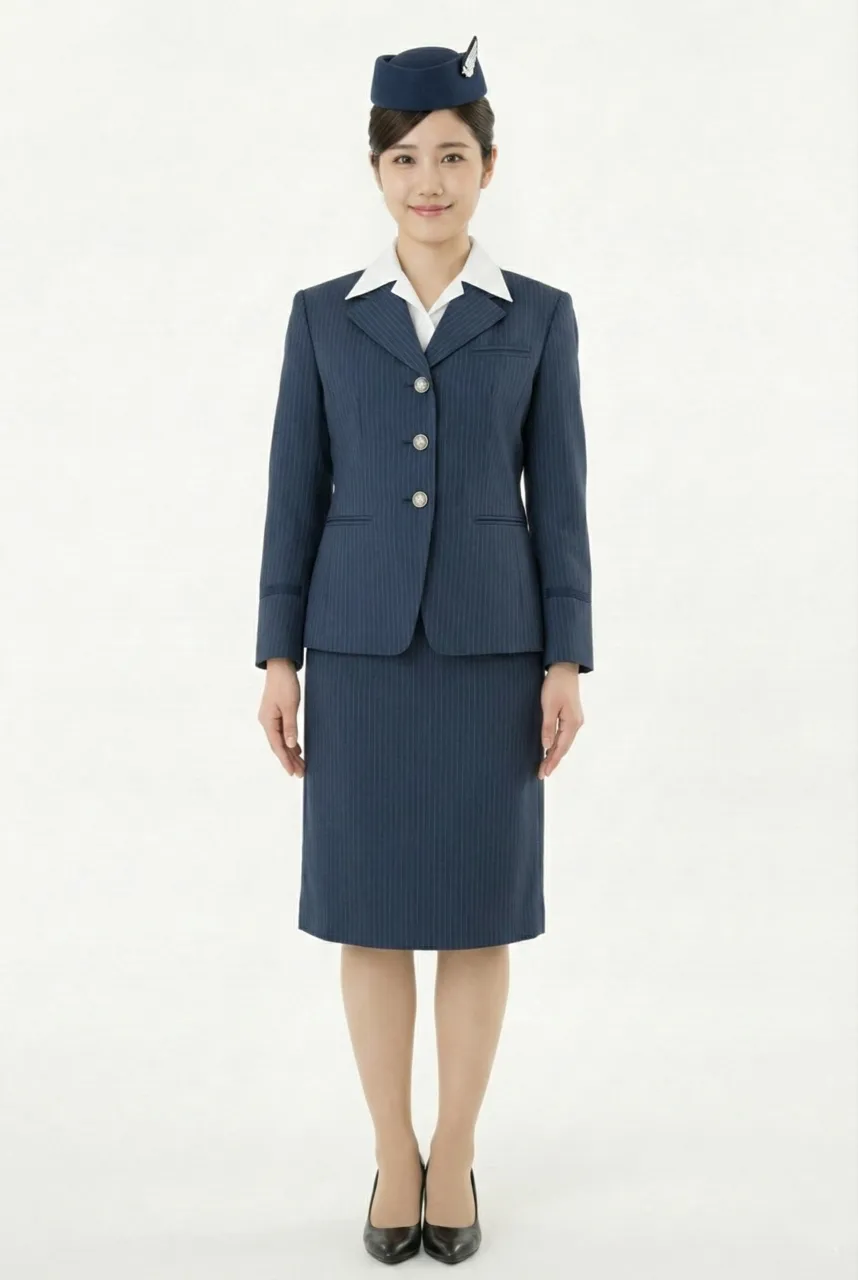
First Generation No.2 Uniform (Winter Uniform)
1951 ~ 1954 -

First Generation No.3 Uniform (Summer Uniform)
1953 ~ 1953 -
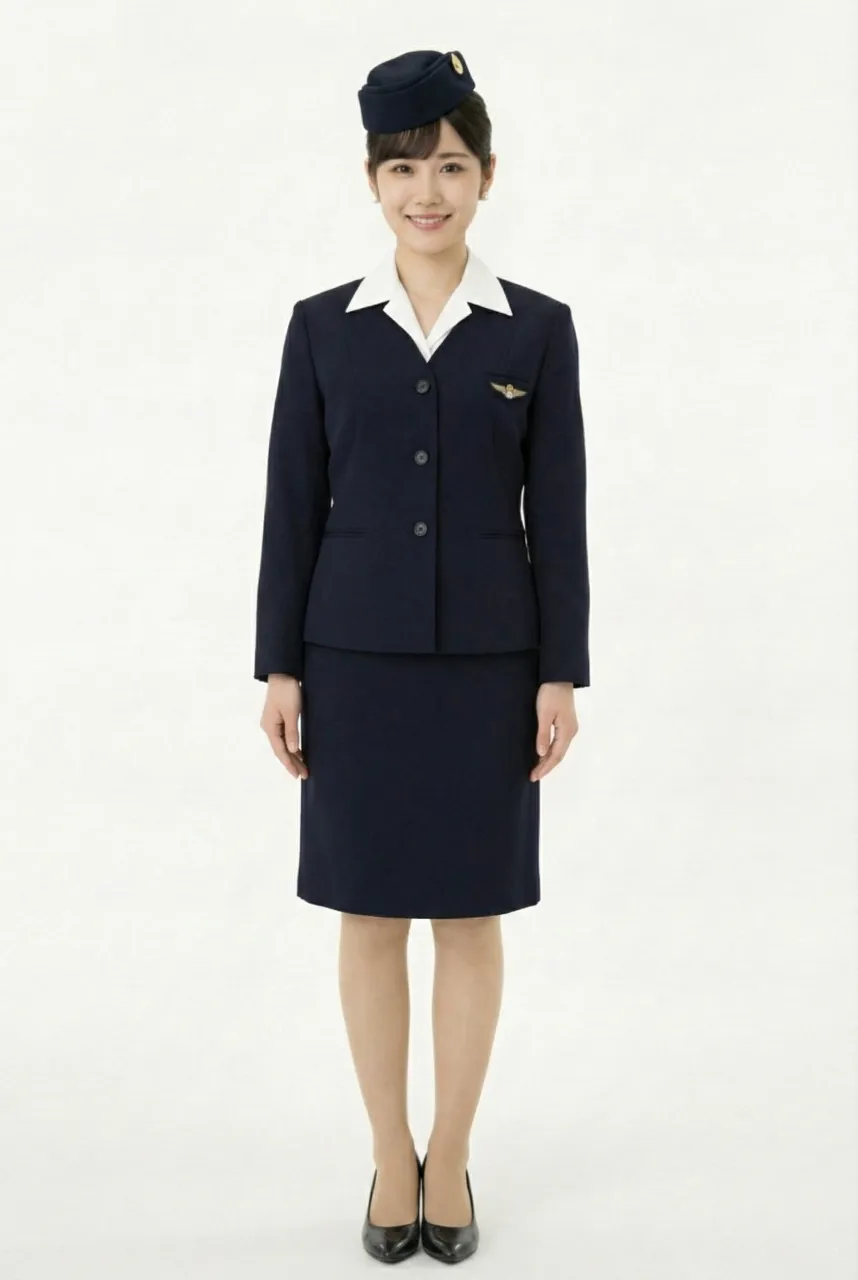
Female flight attendant
1954 ~ 1960 -
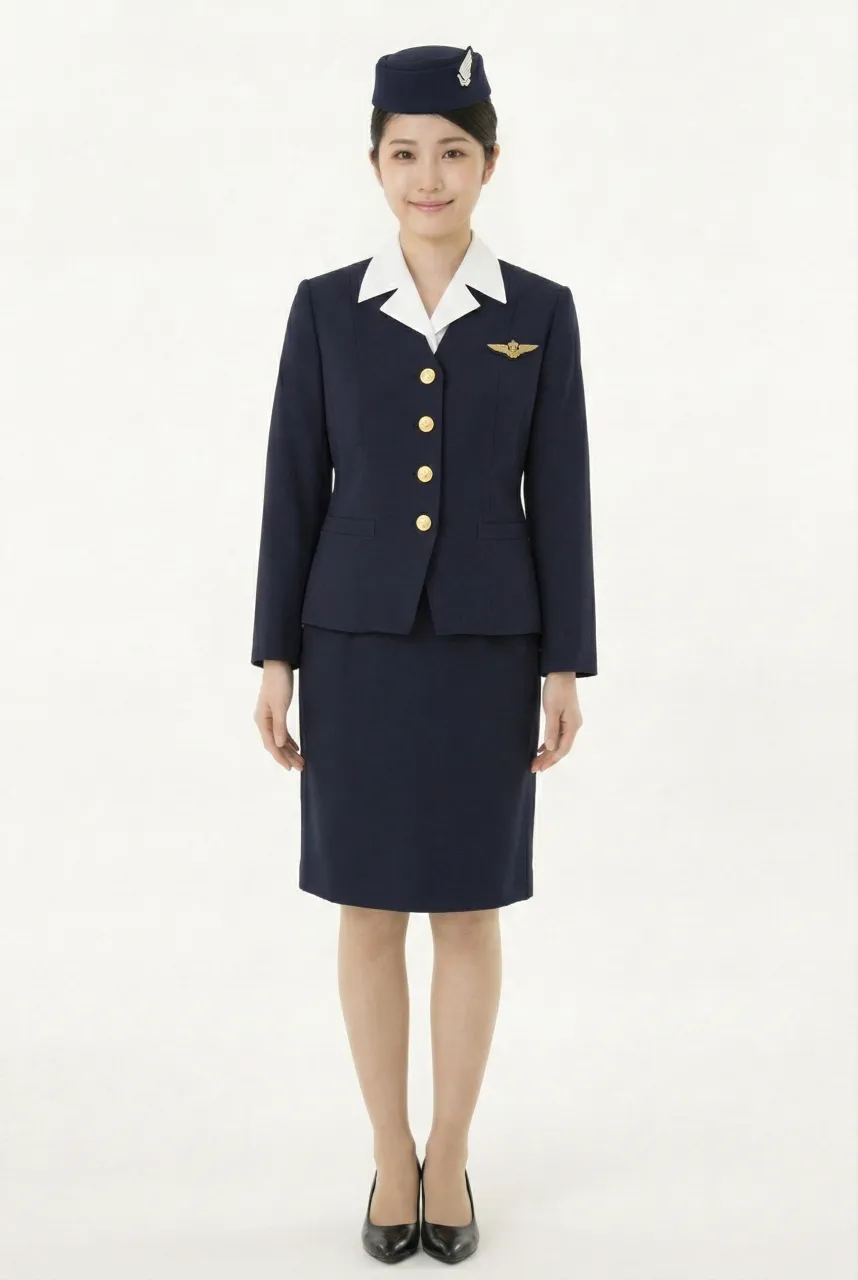
Female flight attendant
1960 ~ 1967 -

Female flight attendant
1967 ~ 1970 -
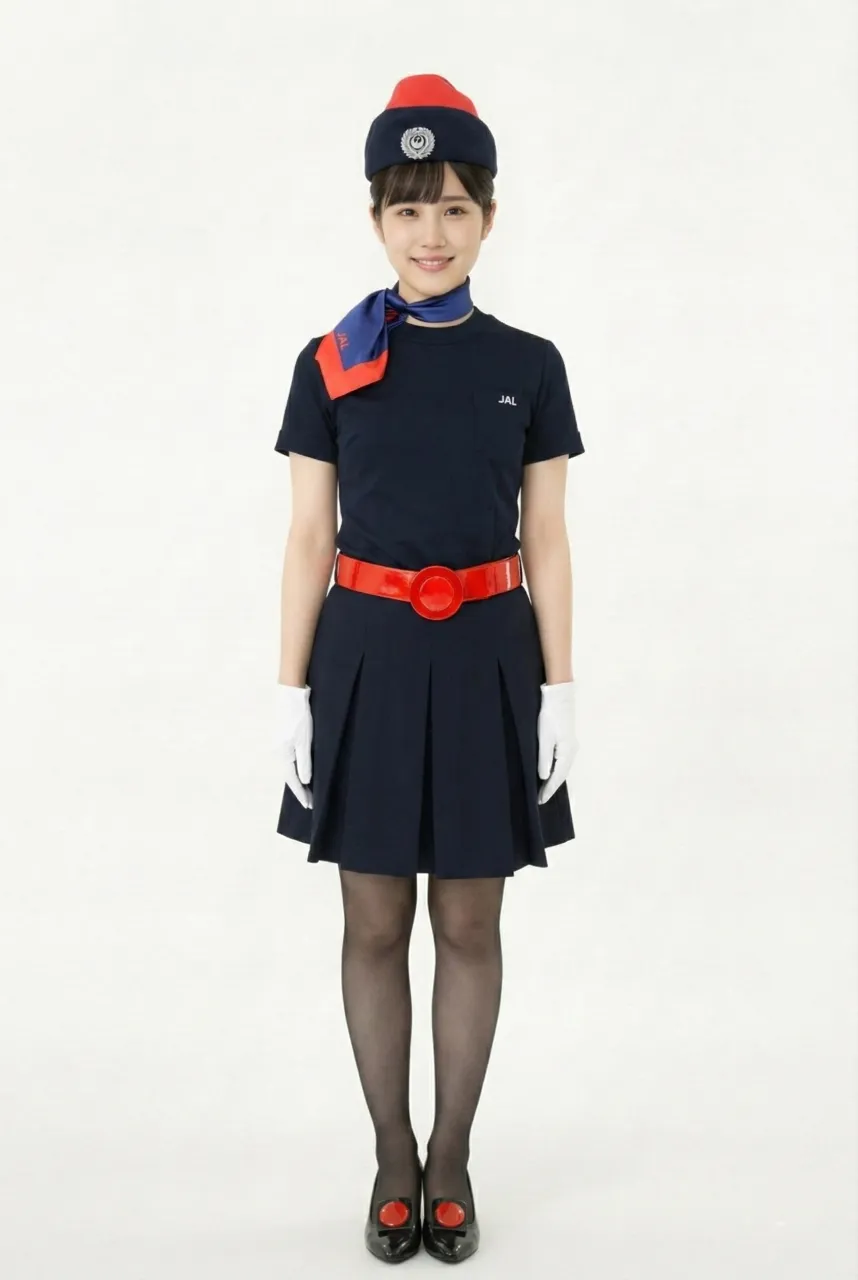
Female flight attendant
1970 ~ 1977 -

Female flight attendant
1977 ~ 1987 -

Female flight attendant
1988 ~ 1996 -

Female flight attendant
1996 ~ 2004 -

Female flight attendant
2004 ~ 2013 -

Female flight attendant
2013 ~ 2020 -
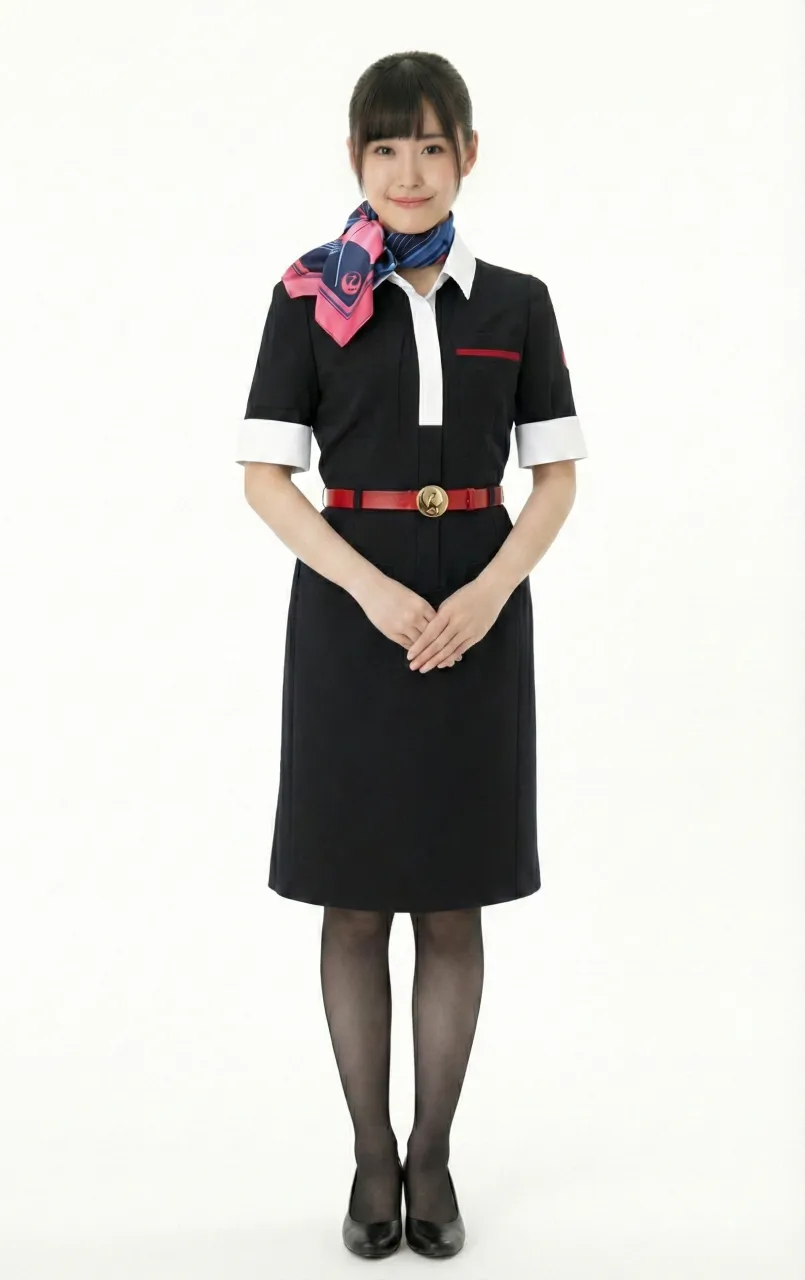
Female flight attendant
2013 ~ 2020 -
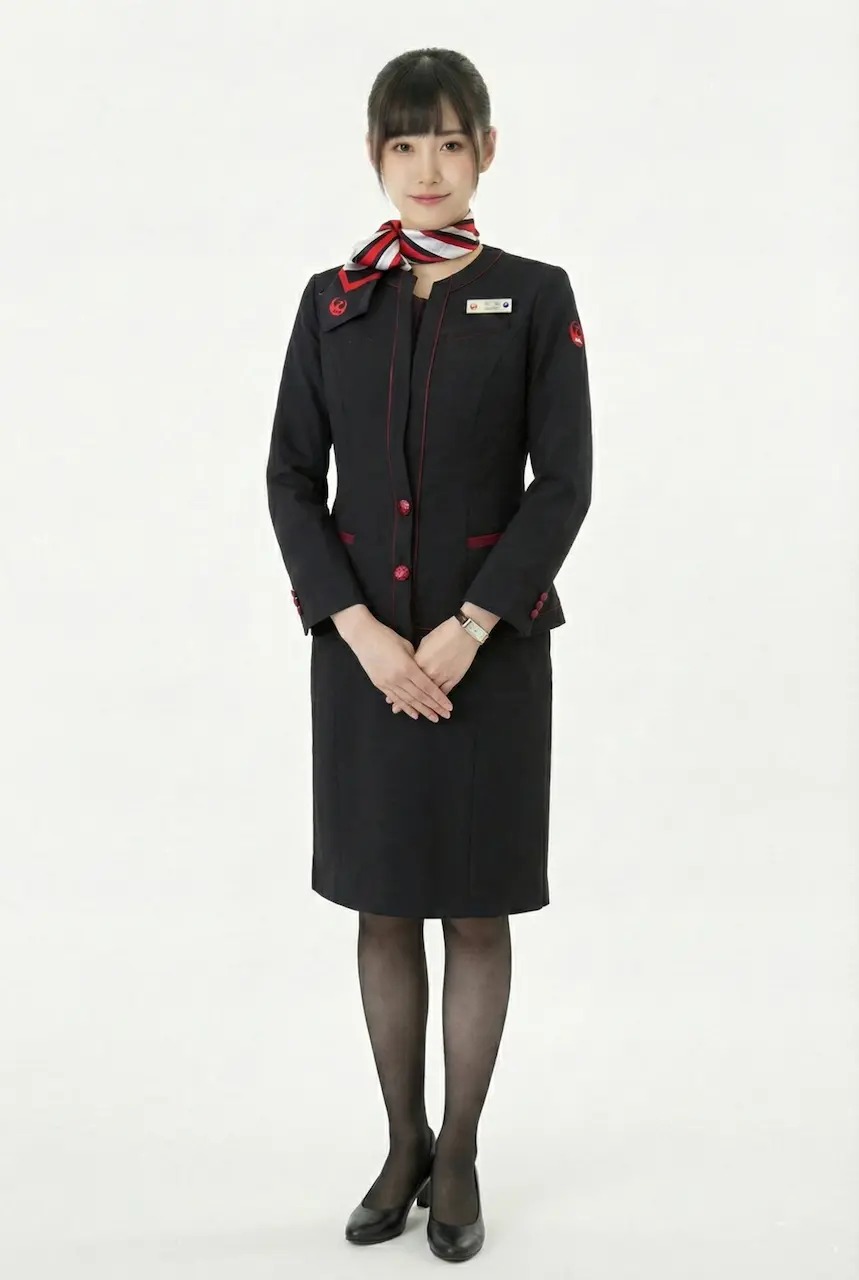
Female flight attendant
2020 ~ -
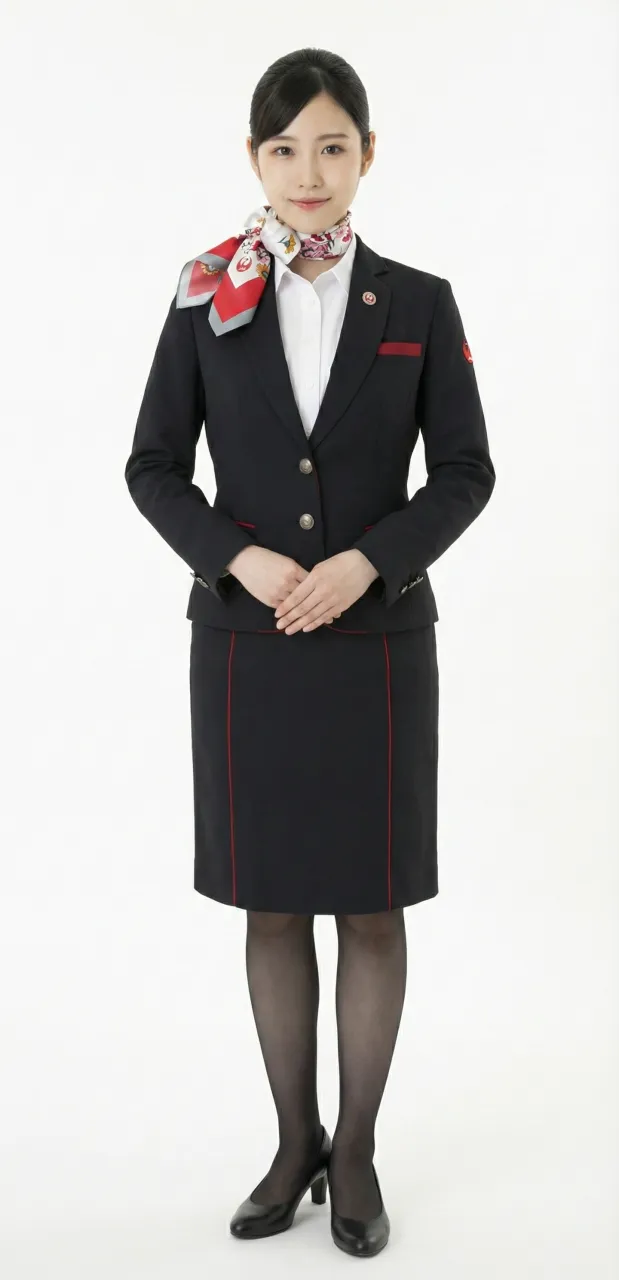
Female ground staff
2020 ~ -
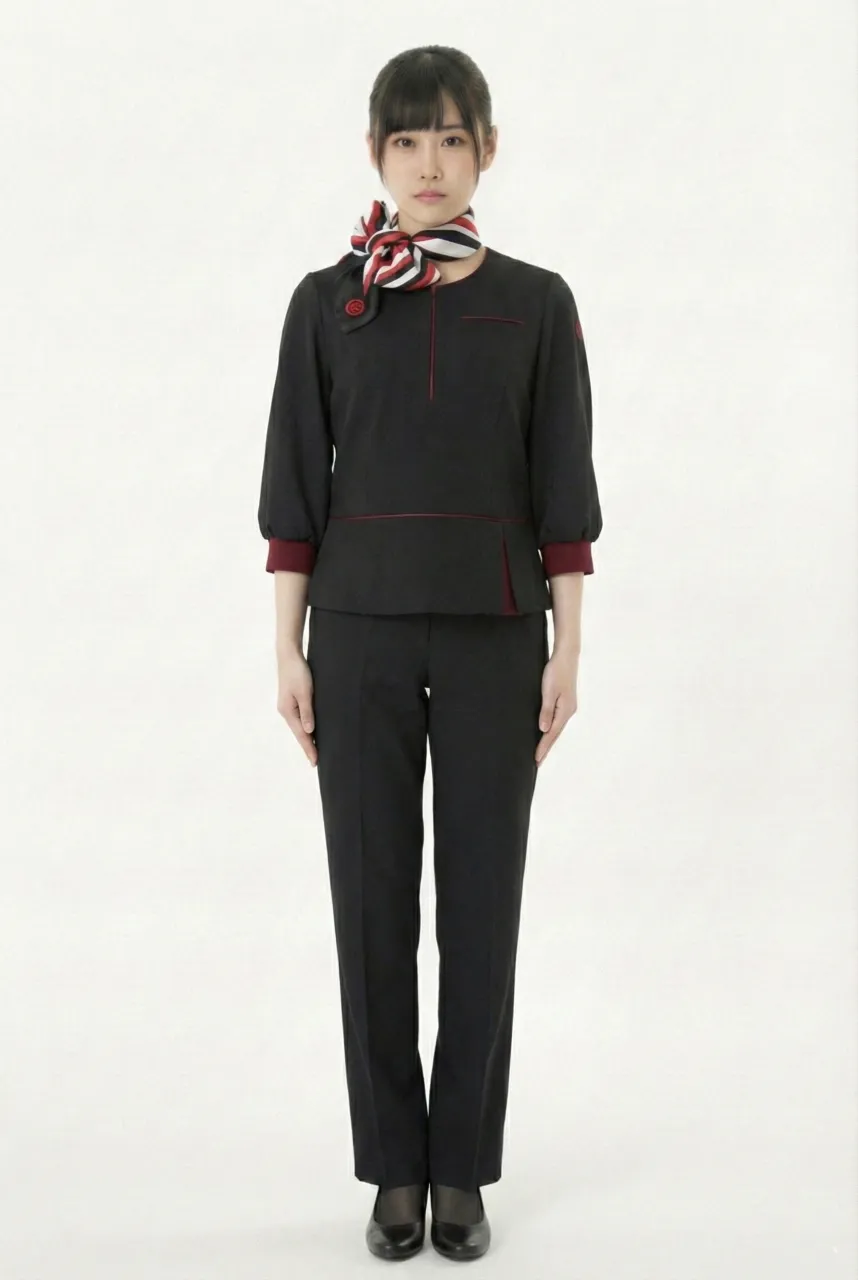
Female flight attendant in pants
2020 ~
The images displayed in this section are AI-generated illustrations and are not official materials from the original organizations or brands. They do not represent actual uniform designs, real-life wear, or official positions. The content is for informational and organizational purposes. All brand/organization names and logos mentioned are the property of their respective owners.