 Sign in with Google


Female flight attendant - Japan Airlines Uniform
1970 ~ 1977
Top
Bottom
Accessory
Overall
Description
This uniform represents the fifth-generation cabin crew uniform introduced by Japan Airlines (JAL) in 1970 (Showa 45). It was launched alongside the introduction of the iconic Boeing 747 (“Jumbo Jet”), symbolizing the beginning of a new era in aviation characterized by large-scale passenger capacity and long-haul travel.
The uniform was once again designed by renowned Japanese designer Hanae Mori, continuing her involvement from the previous generation. She further integrated contemporary fashion trends with professional aviation aesthetics, creating a uniform that strongly reflected the spirit of its time.
The most distinctive feature of this design is its bold adoption of the mini-skirt silhouette, which was highly fashionable during the 1970s. The skirt length falls above the knee, making it the shortest among all JAL uniforms and clearly reflecting the social and cultural trends of the era. This was also the first time JAL introduced a one-piece dress as the primary uniform structure, resulting in a cleaner, more streamlined appearance while improving mobility and practicality.
In terms of color, the uniform is built on a deep navy base accented with vivid red elements, forming a strong and recognizable brand identity. A wide red belt serves as the central visual highlight, while the hat and scarf also incorporate red accents, creating a cohesive and striking overall look. Notably, the scarf was introduced for the first time in this generation, later becoming a signature element of cabin crew uniforms. The left chest pocket features a subtle “JAL” embroidery, reinforcing brand identity in a refined manner.
The navy-and-red color combination established in this uniform continued to be used in subsequent generations, eventually becoming one of the most iconic visual signatures of Japan Airlines.
At the same time as the uniform’s introduction, JAL officially brought the Boeing 747 into service. This four-engine wide-body aircraft offered longer range and greater passenger capacity, and was the first to feature a double-deck cabin design, enabling the airline to “fly farther at lower cost.” The 747 remained a core part of JAL’s fleet for decades before its retirement in 2011 (Heisei 23), securing its place as one of the most legendary aircraft in aviation history.
The uniform was once again designed by renowned Japanese designer Hanae Mori, continuing her involvement from the previous generation. She further integrated contemporary fashion trends with professional aviation aesthetics, creating a uniform that strongly reflected the spirit of its time.
The most distinctive feature of this design is its bold adoption of the mini-skirt silhouette, which was highly fashionable during the 1970s. The skirt length falls above the knee, making it the shortest among all JAL uniforms and clearly reflecting the social and cultural trends of the era. This was also the first time JAL introduced a one-piece dress as the primary uniform structure, resulting in a cleaner, more streamlined appearance while improving mobility and practicality.
In terms of color, the uniform is built on a deep navy base accented with vivid red elements, forming a strong and recognizable brand identity. A wide red belt serves as the central visual highlight, while the hat and scarf also incorporate red accents, creating a cohesive and striking overall look. Notably, the scarf was introduced for the first time in this generation, later becoming a signature element of cabin crew uniforms. The left chest pocket features a subtle “JAL” embroidery, reinforcing brand identity in a refined manner.
The navy-and-red color combination established in this uniform continued to be used in subsequent generations, eventually becoming one of the most iconic visual signatures of Japan Airlines.
At the same time as the uniform’s introduction, JAL officially brought the Boeing 747 into service. This four-engine wide-body aircraft offered longer range and greater passenger capacity, and was the first to feature a double-deck cabin design, enabling the airline to “fly farther at lower cost.” The 747 remained a core part of JAL’s fleet for decades before its retirement in 2011 (Heisei 23), securing its place as one of the most legendary aircraft in aviation history.
Uniform List
-

First Generation No.1 Uniform (Summer Uniform)
1951 ~ 1952 -
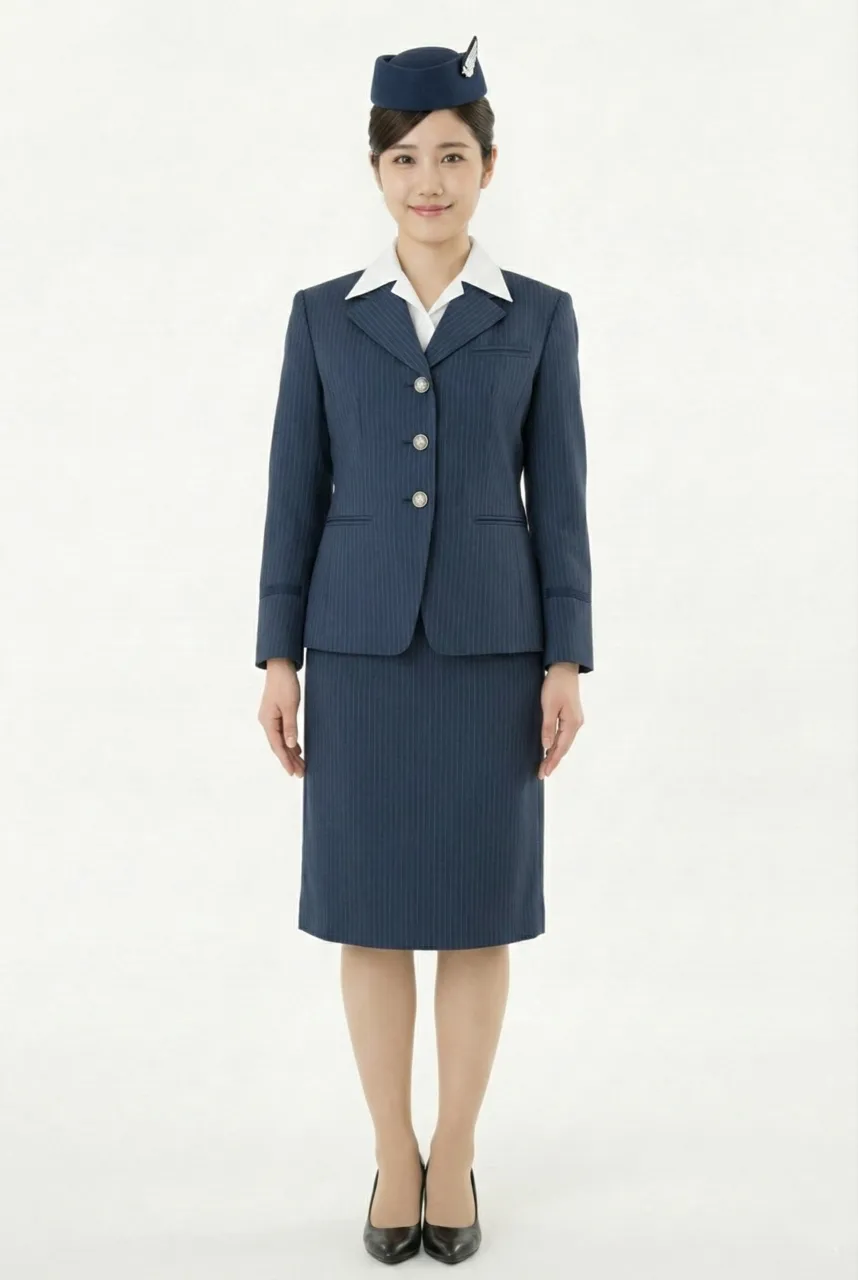
First Generation No.2 Uniform (Winter Uniform)
1951 ~ 1954 -

First Generation No.3 Uniform (Summer Uniform)
1953 ~ 1953 -
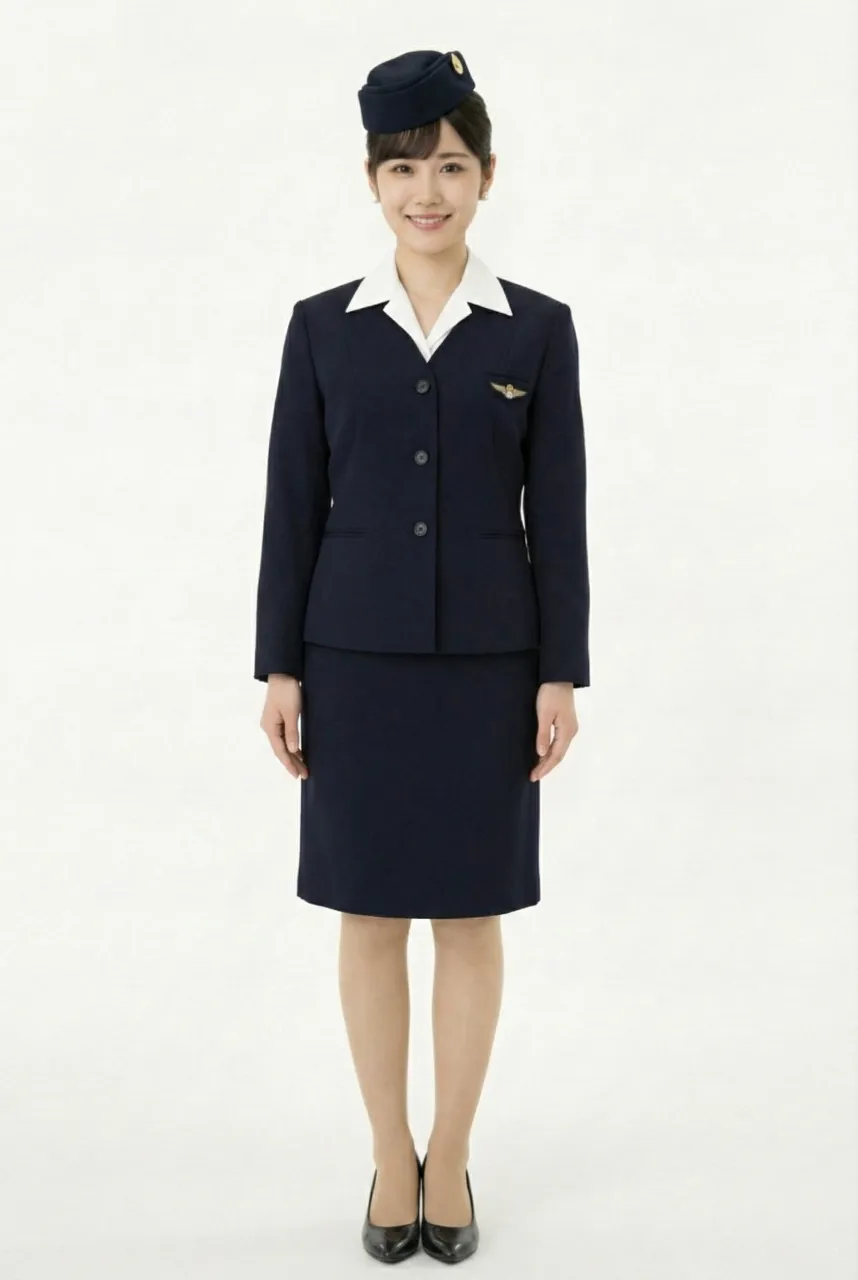
Female flight attendant
1954 ~ 1960 -
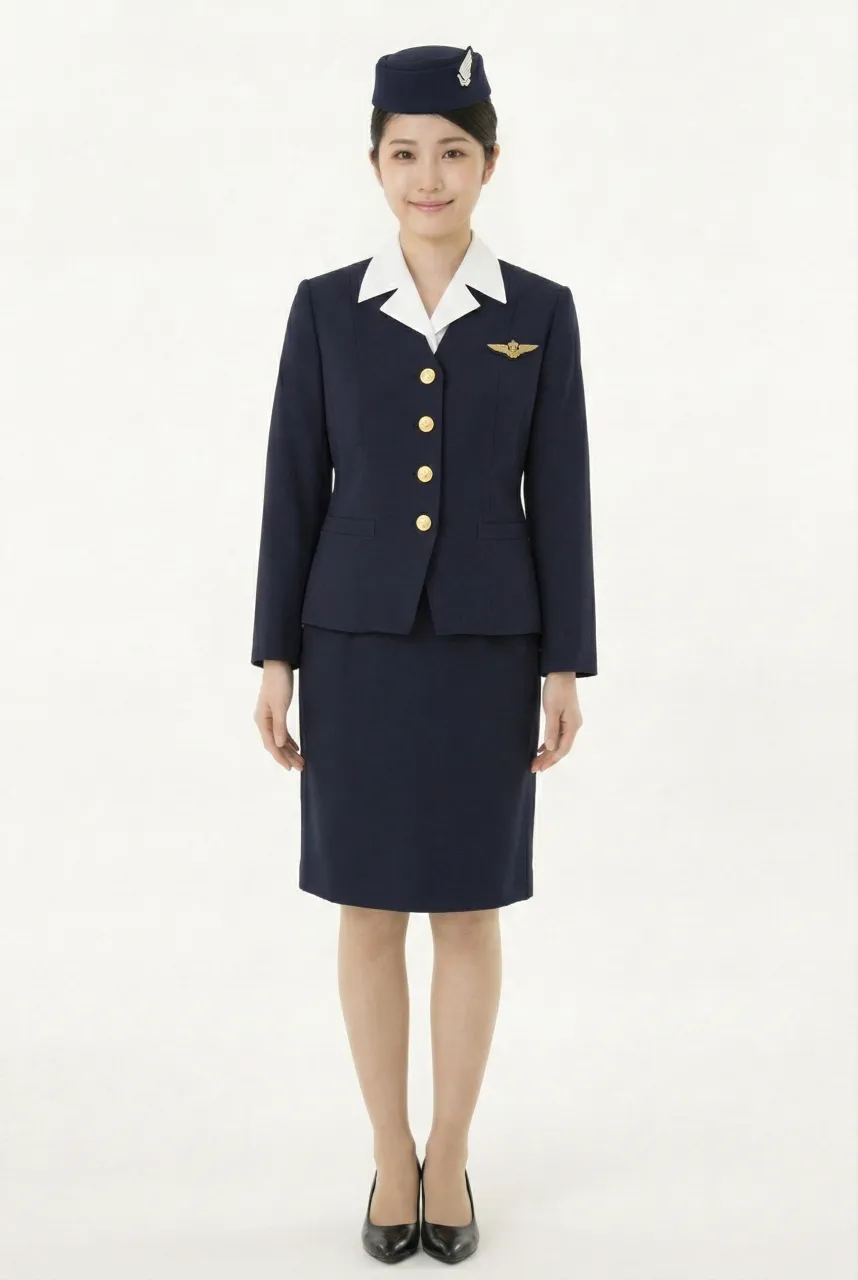
Female flight attendant
1960 ~ 1967 -

Female flight attendant
1967 ~ 1970 -
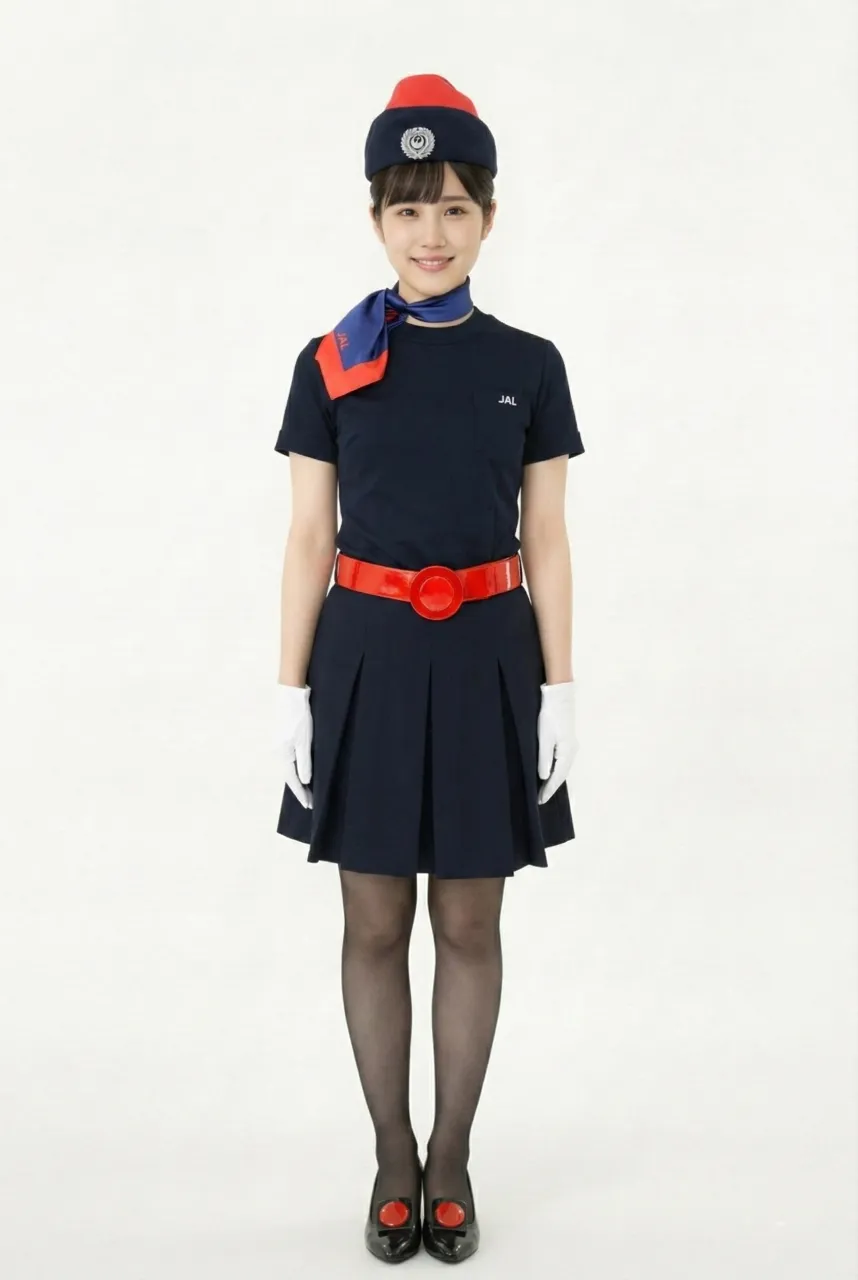
Female flight attendant
1970 ~ 1977 -

Female flight attendant
1977 ~ 1987 -

Female flight attendant
1988 ~ 1996 -

Female flight attendant
1996 ~ 2004 -

Female flight attendant
2004 ~ 2013 -

Female flight attendant
2013 ~ 2020 -
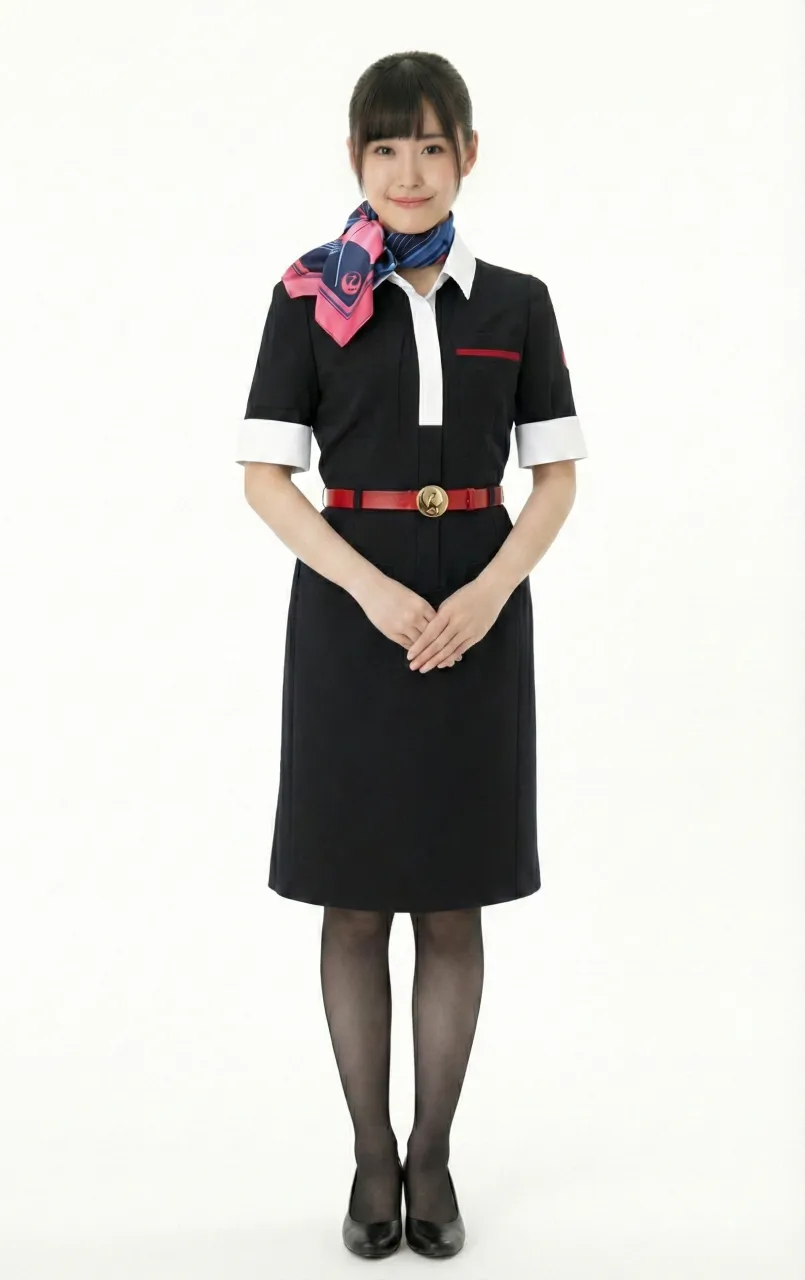
Female flight attendant
2013 ~ 2020 -
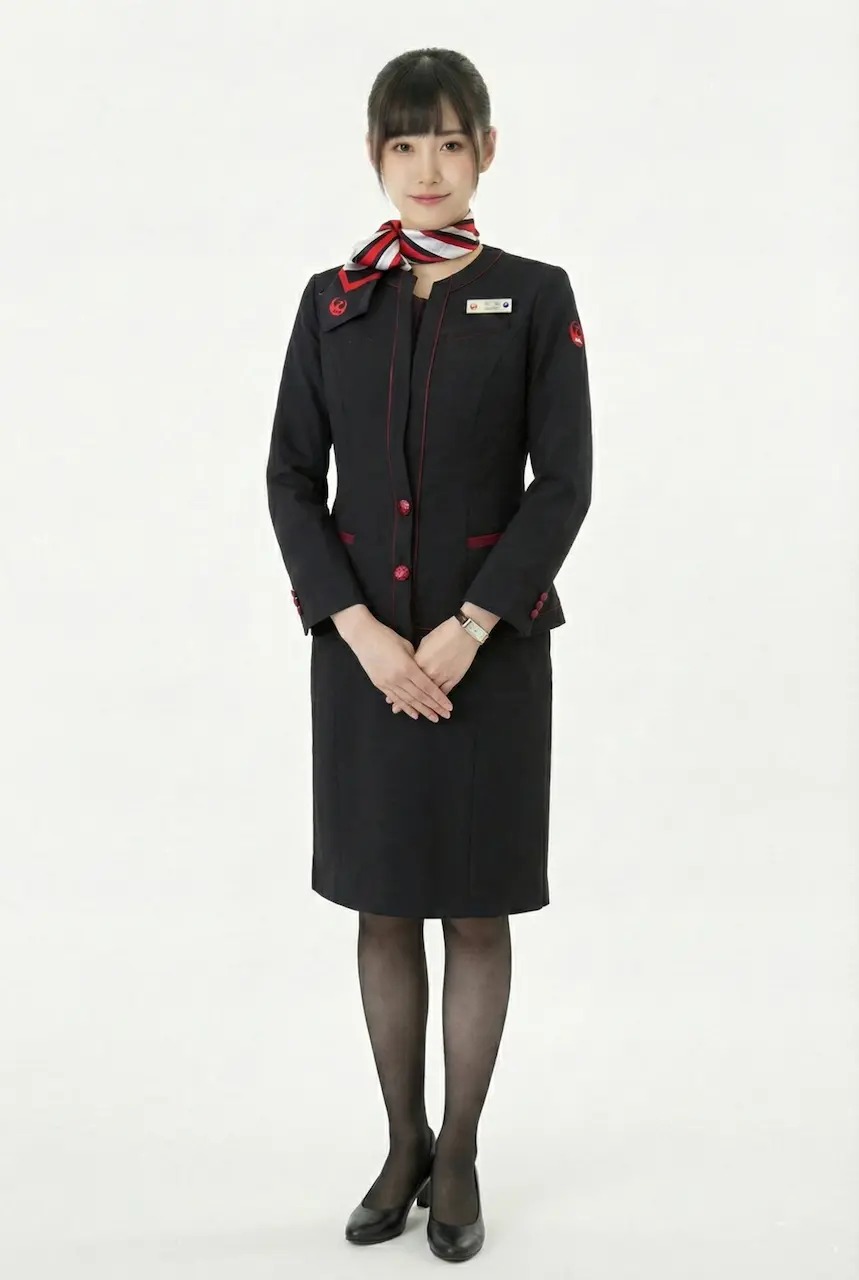
Female flight attendant
2020 ~ -
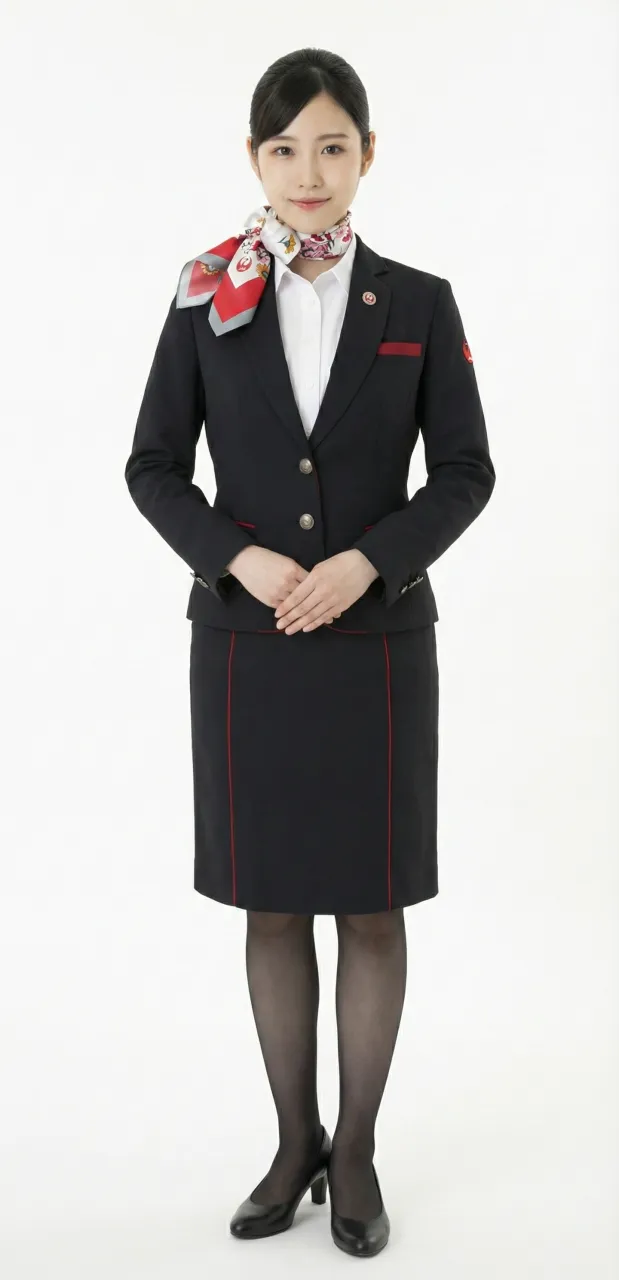
Female ground staff
2020 ~ -
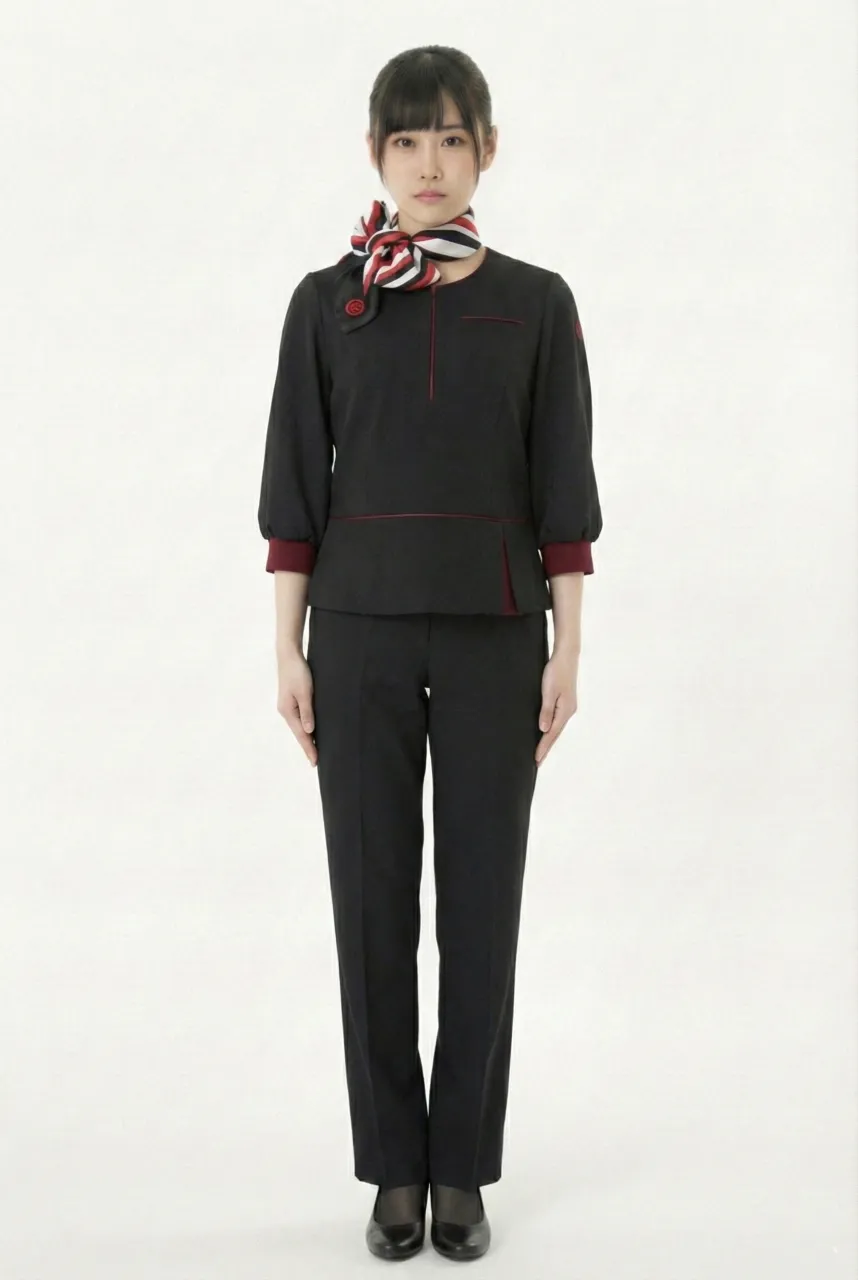
Female flight attendant in pants
2020 ~
The images displayed in this section are AI-generated illustrations and are not official materials from the original organizations or brands. They do not represent actual uniform designs, real-life wear, or official positions. The content is for informational and organizational purposes. All brand/organization names and logos mentioned are the property of their respective owners.