 Sign in with Google

Shot size describes the proportion of the subject within the frame and directly influences visual focus, emotional distance, and the amount of information conveyed. By adjusting shot size, creators can control whether viewers focus on facial expressions, body movement, or the overall scene and atmosphere, guiding attention and narrative rhythm.
Closer shots emphasize detail and emotional intensity, making viewers more engaged with the subject, while wider shots help establish environmental context and spatial relationships, shaping the setting and world-building. Choosing the appropriate shot size balances information and emotion, clearly communicating creative intent.
Sample images are AI-generated and for reference only
AI Prompt Generator
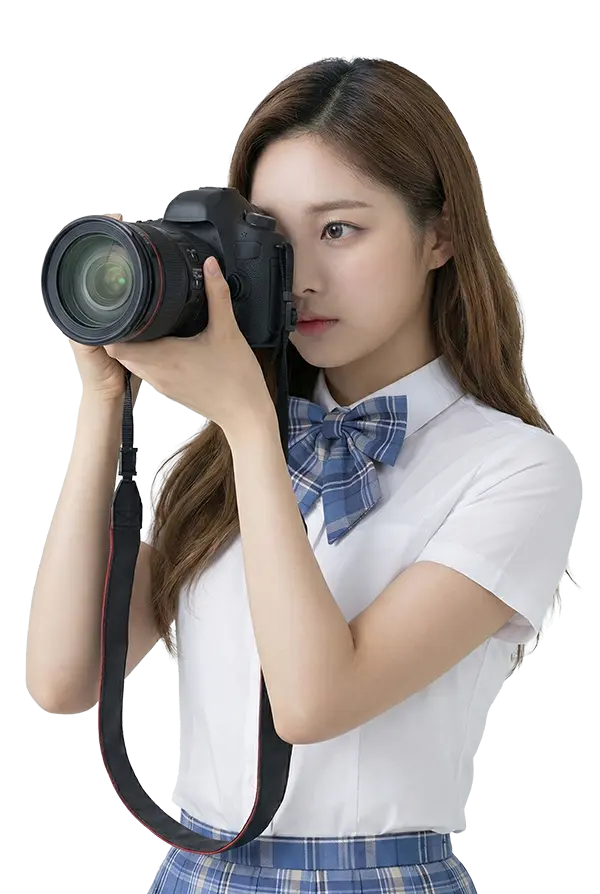

Extreme long shot
An extreme long shot is a shot taken from a very far distance, where the subject occupies only a tiny portion of the frame or appears as a silhouette. It is mainly used to showcase vast environments, scale, and atmosphere rather than character details. Commonly used in opening scenes, world-building, or to emphasize a character’s smallness within a grand setting.

Long shot
A long shot is a camera shot that captures the subject’s full body while still including a portion of the surrounding environment. It clearly shows the character’s actions, posture, and relationship to the setting. It is commonly used for walking or standing scenes, or to establish a character’s location within a space.

Full shot
A full shot is a camera shot that captures the subject completely from head to toe. It clearly shows clothing, posture, and body movements in detail. This shot is commonly used for character introductions, outfit displays, and action presentation, allowing viewers to grasp the character’s overall appearance at a glance.

Medium wide shot
A medium wide shot is framed between a full shot and a medium shot, typically capturing the subject from around the knees or thighs upward. It balances character movement with environmental context, without feeling too distant. This shot is commonly used for dialogue, character interaction, or scenes that need to show both the subject and the setting.

Cowboy shot
A cowboy shot frames the subject from around the mid-thighs up to the head. Originating from Western films, it allows both facial expressions and weapons at the waist to be visible. It is commonly used in confrontations or to build tension before action, balancing emotion and readiness.

Medium close-up shot
A medium close-up shot frames the subject from the chest or shoulders upward. It clearly captures facial expressions while still retaining some body language.

Close-up
A close-up is a shot that tightly focuses on a subject’s face or a specific detail of an object. It powerfully conveys emotions, expressions, or key information. This shot is often used during emotional peaks, important moments, or to direct the viewer’s attention.

Extreme close-up
An extreme close-up is a shot that focuses on a very small detail, such as eyes, lips, fingers, or a part of an object. It greatly magnifies emotions and details, creating intense tension and focus. This shot is often used at critical moments, to convey psychological states, or to highlight symbolic details.