 Sign in with Google

Light is one of the core elements in visual creation, shaping atmosphere, defining the subject, and strengthening the sense of space within an image. By adjusting the direction, intensity, color temperature, and distribution of light, creators can influence contrast, shadows, layers, and the overall emotional tone, making the visual language more focused and expressive.
In practice, different qualities of light bring different results: directional light can add structure and emphasis, soft light can create a calm and balanced mood, and changing light can add rhythm and tension to a scene. Choosing the right use of light helps guide the viewer’s attention and makes storytelling and emotion clearer.
Sample images are AI-generated and for reference only
AI Prompt Generator
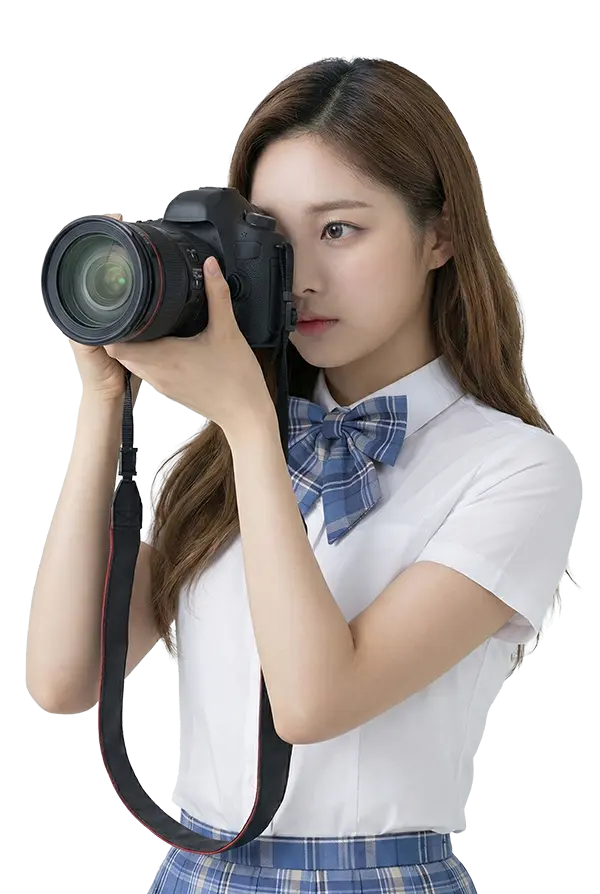

Front Light
Front Light is a lighting setup where the light source shines directly from the front of the subject. It evenly illuminates the face or object surface and reduces shadows and depth variations. It is commonly used for ID photos, product shots, and basic portraits, producing a clear, clean, and fully detailed result.

Side Light
Side Light is a lighting setup where the light source shines from the side of the subject. It enhances contrast and shadow depth, giving stronger definition to contours and textures. It is commonly used in portraiture and artistic work to create drama and emotional tension.

Back Light / Rim Light
Back Light / Rim Light is a lighting setup where the light source is placed behind the subject and directed toward the camera. It creates a glowing edge highlight around the subject, separating it from the background and enhancing depth. It is commonly used in portraits, silhouettes, and dramatic scenes to build atmosphere and visual focus.

Top Light
Top Light is a lighting setup where the light source shines downward from directly above the subject. It creates strong shadows under the brow, nose, and chin, emphasizing three-dimensional structure and dramatic mood. Commonly used in stage, film, and intense portrait scenes, it can convey authority, mystery, or a sense of pressure.

Bottom Light
Bottom Light is a lighting setup where the light source shines upward from below the subject. It creates unnatural upward shadows that make facial features look distorted and exaggerated. It is commonly used in horror, suspense, or grotesque scenes to create unease and dramatic tension.

Split Lighting
Split Lighting is a lighting setup where the light source comes from directly to the side of the subject, illuminating one half of the face while the other falls into shadow. It strongly emphasizes facial structure and contrast, creating pronounced depth and dramatic tension. It is commonly used in emotionally intense portraits, character studies, and visuals with a sense of mystery or conflict.

Rembrandt Lighting
Rembrandt Lighting is a classic portrait lighting technique characterized by a small triangular highlight under the eye on the shadowed side of the face. It balances light and shadow to create a natural yet dimensional look with depth and emotion. Commonly used in portrait photography and cinematic visuals, it produces a calm, restrained, and artistic atmosphere, named after the painter Rembrandt and his distinctive use of light and shadow.

Soft Light
Soft Light is a lighting setup where light is diffused before reaching the subject. It produces gentle shadow edges and low contrast, helping to smooth skin texture and minimize imperfections. Commonly used in portraits, beauty photography, and soft atmospheric scenes, it creates a natural, approachable, and comfortable visual feel.

Soft Light
Soft Light is a lighting setup where light is diffused before reaching the subject. It produces gentle shadow edges and low contrast, helping to smooth skin texture and minimize imperfections. Commonly used in portraits, beauty photography, and soft atmospheric scenes, it creates a natural, approachable, and comfortable visual feel.

Butterfly Lighting
Butterfly Lighting, also known as Paramount Lighting, places the light source directly in front of the subject and slightly above eye level, angled downward. It creates a small butterfly-shaped shadow beneath the nose, producing a centered and symmetrical facial look. Commonly used in portrait, beauty, and fashion photography, it flatters facial features and delivers an elegant, clean appearance.

Cinematic Lighting
Cinematic Lighting is a lighting approach inspired by the atmosphere of film scenes, emphasizing contrast, directionality, and emotional expression. It often combines side lighting, back lighting, and selective fill light while preserving shadows to enhance spatial depth and storytelling. Ideal for portraits, narrative scenes, and stylized creations, it delivers drama, texture, and strong narrative tension.

Studio Lighting
Studio Lighting refers to a controlled lighting setup used inside a photography studio. It allows precise control over light direction, intensity, and shadows, resulting in stable and consistent images. Commonly used in portrait, product, and commercial photography, it produces clean, professional, and repeatable visual results.

Volumetric Light / God Rays
Volumetric Light, also known as God Rays, refers to a lighting effect where light beams become visible as they pass through fog, dust, smoke, or moisture in the air. The beams show clear direction and layering, enhancing spatial depth and a sacred or dramatic atmosphere. Commonly used in films, stage lighting, portraits, and fantasy scenes to create powerful, emotionally charged visuals.

Window Light
Window Light is a lighting approach that uses natural light entering through a window to illuminate the subject. The light is soft yet directional, creating natural shadows and a realistic sense of atmosphere. It is commonly used in portraits, lifestyle scenes, and still-life photography to produce a warm, calm, and authentic mood.

Neon Lighting
Neon Lighting is a lighting style that uses neon lights or highly saturated colored light sources as the primary illumination. It features strong color contrast, glowing edges, and a nighttime aesthetic, commonly using blue, purple, pink, and red tones. Widely used in cyberpunk visuals, urban night scenes, and trendy portraits, it creates a bold, psychedelic, and futuristic atmosphere.

Golden Hour
Golden Hour refers to the short period shortly after sunrise and just before sunset. During this time, the sun sits low in the sky, producing warm color temperatures, soft light, and long shadows. It is commonly used in portraits, landscapes, and emotional scenes to create a warm, romantic, and cinematic atmosphere.

Blue Hour
Blue Hour refers to the brief period after sunset or before sunrise when the sky takes on deep blue tones. During this time, natural light is soft and cool in color temperature, while city lights begin to emerge, creating subtle contrast. It is commonly used in cityscapes, architecture, and emotional scenes to evoke a calm, mysterious, and cinematic atmosphere.

Cyberpunk Lighting
Cyberpunk Lighting is a lighting style centered on highly saturated neon colors and strong contrast. Blue, purple, pink, and red lights often intersect, combined with side lighting, backlighting, and rim lighting to create wet reflections and a night-city atmosphere. Commonly used in futuristic cities, portraits, and street scenes, it conveys a cold, avant-garde look with a sense of technological alienation.

Candlelight
Candlelight is a low-intensity lighting approach that uses candles as the primary light source. The light is warm, soft, and naturally flickering, producing deep, layered shadows. It is often used in quiet portraits, religious settings, or vintage scenes to create an intimate, mysterious, and emotionally rich atmosphere.

Fairy Sparkles
Fairy Sparkles are dreamy, delicate lighting effects inspired by magical fantasy aesthetics, commonly used to create fairy tale, whimsical, or ethereal atmospheres. Common elements include tiny shimmering light particles, starburst glows, soft halos, floating sparkles, glowing dust-like effects, and subtle variations of pale gold, silver, pink, or rainbow-colored illumination. The overall visual style emphasizes lightness, romance, and magical motion, creating a gentle, enchanting scene reminiscent of fairy magic, dreamscapes, and fantasy worlds.

Hair Light
Hair Light is a lighting technique positioned behind or slightly behind the subject to illuminate the edges of the hair, enhancing hair texture and separating the subject from the background. It is widely used in portrait photography, cinematic portraits, and fashion imagery. Common elements include rim highlights along the hair, soft edge lighting, delicate specular highlights, backlit glow, and subtle illumination that adds depth, transparency, and dimensionality to the hairstyle. The overall visual effect emphasizes depth, refinement, and professional photographic quality, creating elegant, polished, and cinematic portraits.

Floating Light Particles
Floating Light Particles are a visual lighting effect that depicts tiny glowing particles suspended in the air, commonly used to create dreamy, ethereal, magical, or cinematic atmospheres. Common elements include scattered glowing specks, soft luminous particles, floating dust illuminated by light, subtle halos, and delicate shimmering effects enhanced by depth of field. The overall visual style emphasizes softness, movement, and a sense of atmosphere, creating enchanting imagery reminiscent of dreams, fairy tales, and elegant fine-art photography.

Prism Rainbow
Prism Rainbow is a lighting effect created through prism refraction, glass reflections, or light dispersion, producing vivid rainbow-colored highlights and gradients. It is commonly used to create dreamy, crystal-clear, luxurious, or ethereal visual atmospheres. Common elements include multicolored light flares, rainbow refractions, soft glowing halos, glass-like reflections, spectrum gradients produced by transmitted light, and shimmering colored highlights. The overall visual style emphasizes transparency, fantasy, and refined light interactions, creating elegant imagery reminiscent of sunlight passing through crystal, glass, or a prism.

Crystal Refraction
Crystal Refraction is a lighting effect that simulates the refraction and dispersion of light as it passes through crystal, glass, or transparent gemstones, creating a clear, luxurious, and magical visual atmosphere. Common elements include crystal-like reflections, delicate refracted light patterns, colorful edge highlights, bright sparkling accents, sharply defined light facets, and subtle rainbow halos. The overall visual style emphasizes brilliance, transparency, and refined layers of light, producing an elegant effect reminiscent of sunlight passing through crystal jewelry, enchanted gemstones, or premium glass.

Light Dust
Light Dust is a lighting effect that depicts tiny airborne dust particles illuminated by light, creating a soft, atmospheric glow often used to evoke warmth, nostalgia, dreamlike beauty, or cinematic realism. Common elements include floating dust specks, gentle light rays, subtle shimmering particles, backlit airborne dust, delicate halos, and layered beams of sunlight filtering through space. The overall visual style emphasizes softness, natural depth, and ambient atmosphere, producing scenes reminiscent of morning sunlight filling a room, afternoon rays through a window, or quiet cinematic moments.

Firefly Lights
Firefly Lights are a soft lighting effect inspired by the gentle glow of fireflies dancing through the night, commonly used to create romantic, magical, natural, or fairy tale-inspired atmospheres. Common elements include tiny yellow-green light dots, softly flickering luminous particles, faint floating lights, delicate halos, sparkling points against dark night backgrounds, and subtle glowing trails that suggest gentle movement and life. The overall visual style emphasizes tranquility, warmth, and natural enchantment, creating dreamlike scenes reminiscent of summer forests, grassy paths, or magical storybook landscapes filled with fireflies.