 Sign in with Google

Focal length controls the field of view, spatial perspective, and the distance relationship between subject and background, making it a crucial photographic parameter for overall spatial depth and emotional expression. Different focal lengths affect object proportions, depth compression, and the viewer’s sense of immersion.
In practice, shorter focal lengths provide a wider field of view and stronger spatial extension, ideal for emphasizing environments and atmosphere, while longer focal lengths compress backgrounds, drawing attention to the subject and highlighting emotion. Selecting the right focal length effectively guides the viewer’s eye and shapes visual rhythm and storytelling clarity.
Sample images are AI-generated and for reference only
AI Prompt Generator
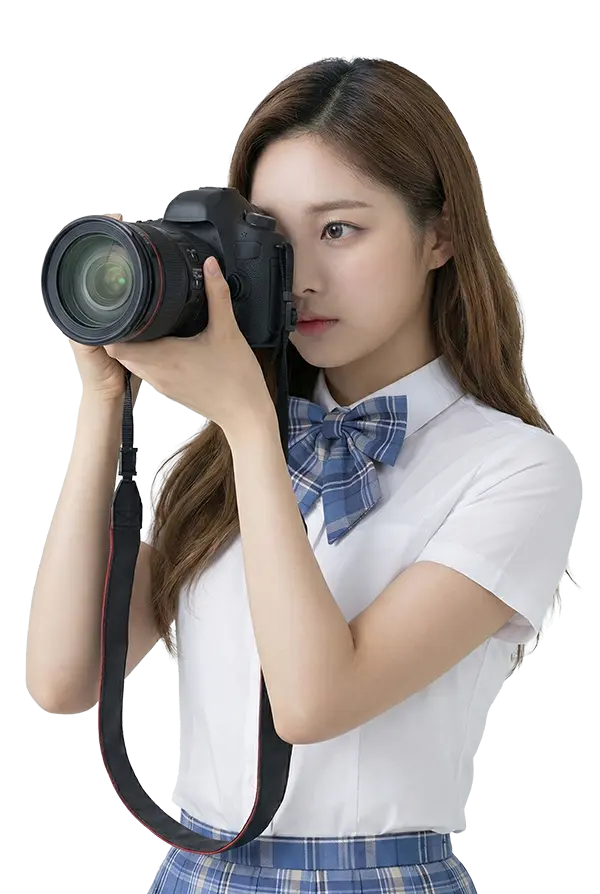

Ultra Wide Angle
An ultra wide angle (10–18mm) uses an extremely short focal length lens to capture a very wide field of view. It creates strong spatial depth and perspective distortion, enlarging the foreground while stretching the background. Commonly used for architecture, interiors, landscapes, or scenes that emphasize scale and immersion.

Wide Angle
A wide angle (16–35mm) is a commonly used focal length that balances a broad field of view with a natural look. It clearly captures the environment while maintaining realistic subject proportions without excessive distortion. Often used for landscapes, street photography, travel, environmental portraits, and establishing shots.

Semi-wide / Moderate Wide
A 35mm semi-wide (moderate wide) lens sits between wide-angle and standard focal lengths. It preserves environmental context while keeping subject proportions natural with minimal distortion. Commonly used for documentary photography, street photography, and narrative-driven scenes.

Standard Lens
A 50mm standard lens offers a field of view closest to natural human vision. It produces realistic proportions without exaggeration or spatial compression. Commonly used for everyday photography, portraits, documentary work, and general-purpose shooting, it is one of the most balanced and versatile focal lengths.

Medium Telephoto
An 85mm medium telephoto lens is a classic focal length for portrait photography. It gently compresses space, creating natural and flattering facial proportions while allowing the background to blur easily. Commonly used for portraits, emotional close-ups, and scenes that emphasize the subject.

Telephoto
A 135–200mm telephoto lens produces strong spatial compression, pulling distant subjects closer. It offers powerful background blur, concentrating visual layers and making the subject stand out. Commonly used for concerts, sports photography, portrait close-ups, and situations where getting physically close is difficult.

Super Telephoto
A super telephoto lens (300mm and above) allows clear capture of subject details from extremely long distances. It features very strong spatial compression and background blur, resulting in a highly focused image. Commonly used for wildlife, nature and bird photography, sports events, and long-distance observation.