 Sign in with Google

Camera angle describes the position and viewing direction of the camera within a frame, directly affecting the subject’s presence, proportional relationships, and the viewer’s psychological perception. By changing the shooting angle, creators can adjust the relationship between the subject and the environment, shaping feelings of authority, tension, intimacy, or immersion.
Different angles alter the sense of distance and character relationships between the viewer and the image. For example, low angles emphasize strength and dominance, while high angles tend to convey vulnerability or being looked down upon. Thoughtful angle selection helps guide the viewer’s gaze and reinforce narrative intent.
Sample images are AI-generated and for reference only
AI Prompt Generator
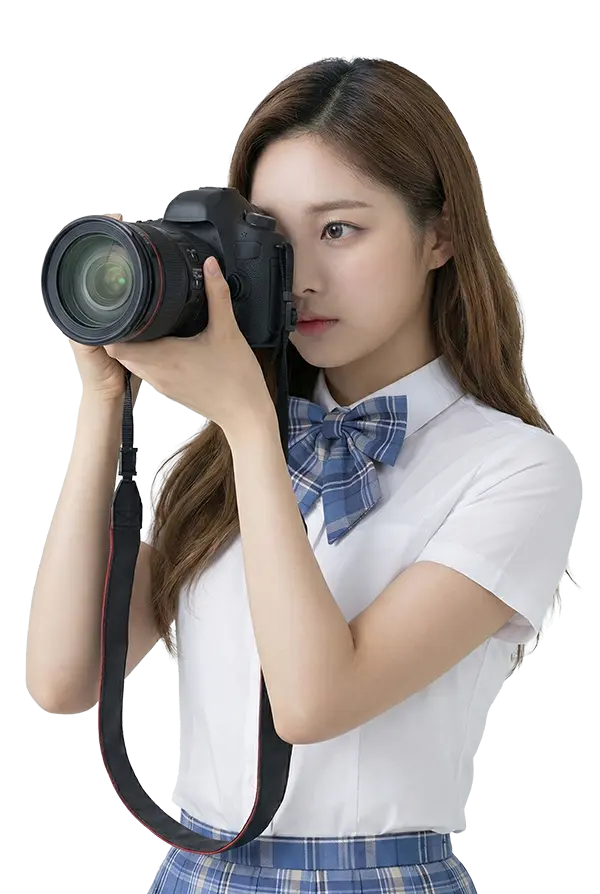

Eye-level shot
An eye-level shot is a camera angle where the camera is positioned at approximately the same height as the subject’s eyes. It presents a natural, realistic, and neutral perspective, making the viewer feel as if they are facing the subject directly. Commonly used in portraits, conversations, and everyday scenes, it creates a friendly, trustworthy, and non-intimidating atmosphere.

High-angle shot
A high-angle shot is a camera angle where the camera is positioned above the subject, looking down on it. This perspective makes the subject appear smaller or weaker, and is often used to convey vulnerability, passivity, or oppression. It is well suited for dramatic scenes, emotionally intense moments, or to emphasize the overwhelming presence of the environment relative to the character.

Low-angle shot
A low-angle shot is a camera angle where the camera is positioned below the subject, looking up at it. This perspective makes the subject appear taller, more powerful, and authoritative. It is commonly used to convey confidence, dominance, heroism, or an imposing presence in dramatic scenes.

Worm’s Eye View
A worm’s eye view is an extreme low-angle shot where the camera is positioned very close to the ground and looks upward. This perspective dramatically exaggerates the height and presence of the subject, making people or buildings appear enormous, imposing, or majestic. It is often used to create dramatic tension, a heroic feel, or to emphasize the overwhelming scale of the environment.

Bird’s-eye view
A bird’s-eye view is a camera angle taken from a high position directly above the scene, looking straight down. This perspective clearly reveals spatial layout and overall structure, creating a detached, omniscient viewpoint. It is commonly used for map-like visuals, cityscapes, wide environmental shots, or to emphasize the smallness and fate of characters.

Top-down view
A top-down view is a camera angle where the camera is positioned directly above the subject and points straight downward. This perspective creates clear structure and strong geometric composition, making it easy to show order, layout, and movement paths. It is commonly used for product displays, tabletop compositions, flat visuals, or to create a calm, design-focused atmosphere.

Hip Level Shot
A hip level shot is a camera angle where the camera is positioned around the subject’s waist height. This perspective naturally captures movement and body language while maintaining a sense of presence. It is commonly used in walking scenes, street photography, and dynamic shots to create a casual, observer-like viewpoint.

Knee level shot
A knee level shot is a camera angle where the camera is positioned around the subject’s knee height. This creates a slight low-angle effect, making the subject appear taller and more dynamic. It is commonly used in walking or running scenes, or to emphasize leg movement and a sense of forward motion.

Ground level shot
A ground level shot is a camera angle taken very close to the ground. This perspective enhances foreground elements and depth, making the subject stand out or feel more imposing. It is commonly used in action scenes, walking shots, architectural lines, or to create strong immersion and dramatic impact.

Shoulder level shot
A shoulder level shot is a camera angle where the camera is positioned around the subject’s shoulder height. It is commonly used in dialogue or follow shots, naturally capturing the upper body and interactions between characters. The perspective feels close and immersive, as if standing beside the subject.

Back view
A back view is a shot taken from behind the subject, without directly showing the face. It is often used to create a sense of mystery or solitude, or to guide the viewer’s attention toward what the character is facing. This perspective is suitable for emotional buildup, ending scenes, or expressing a character’s inner state.

Three-quarter view
A three-quarter view shows the subject with the body or face slightly turned toward the camera at about a 45-degree angle. This angle preserves depth and facial detail, appearing more natural and dimensional than a straight-on view. It is commonly used in portrait photography, character design, and profile imagery.

Dutch angle
A Dutch angle is a camera technique where the camera is intentionally tilted, causing the horizon line to appear slanted. This composition creates a sense of unease, tension, or instability. It is commonly used to depict psychological disturbance, crisis situations, or strong dramatic tension.

Oblique Angle
An Oblique Angle refers to a camera viewpoint that is neither straight-on, side-on, nor directly above or below, but instead captures the subject from a diagonal angle. This perspective adds a sense of direction and motion, making the composition feel more dynamic than standard angles. It is often used to enhance visual tension, avoid stiffness, and suits street photography, action scenes, and stylized visuals.

Overhead Angle
An Overhead Angle refers to a camera position above the subject, shooting downward, though not necessarily at a perfectly vertical angle. This viewpoint clearly reveals scene layout and spatial relationships between subjects, conveying a sense of observation, control, or detachment. It is commonly used for spatial explanation, movement flow visualization, group scenes, and strategy-oriented visuals.

Profile Angle
A Profile Angle refers to a camera position that captures a subject from the exact side, presenting a complete side silhouette. This angle emphasizes the nose bridge, chin, and overall contour lines, resulting in a clean and highly recognizable composition. It is commonly used in portraits, character design, and emotional scenes to convey a calm, restrained, or distant mood.

Side Angle
A Side Angle refers to a camera position taken from the side of the subject, but not from a perfectly profile view—usually angled slightly toward the front or back. This perspective reveals both partial front and side views, creating a more three-dimensional and dynamic composition. It is commonly used in portraits, action shots, and narrative scenes to achieve a natural, fluid, and spatial visual effect.