 Sign in with Google

The aspect ratio refers to the proportional relationship between the width and height of an image. It directly affects composition, visual balance, and the viewer’s experience. Different aspect ratios suit different types of content and emotional expression. Choosing the right aspect ratio helps strengthen visual impact and narrative intent.
Common aspect ratios include 16:9 widescreen, ideal for expansive scenes and dynamic content; 4:3 traditional format, suitable for emphasizing people and details; and 1:1 square format, popular on social media for its focus and visual impact. Selecting an appropriate aspect ratio effectively guides the viewer’s gaze, shapes visual rhythm, and makes storytelling and emotional expression clearer.
Sample images are AI-generated and for reference only
AI Prompt Generator
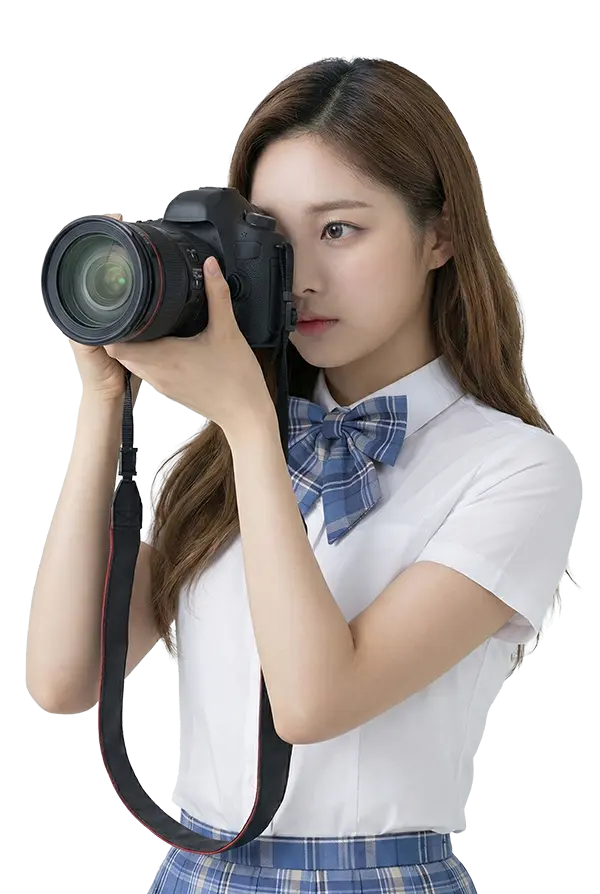

1:1 Aspect Ratio
The 1:1 aspect ratio refers to a square composition where the width and height of the image are equal. This format creates a balanced and centered layout with a clear focal point, making it ideal for emphasizing the subject. It is commonly used in social media posts, portrait close-ups, and product photography to achieve a clean, stable, and modern visual style.

2:3 Aspect Ratio
The 2:3 aspect ratio refers to an image proportion where the width and height are in a 2 to 3 ratio, commonly found in traditional film and many digital camera formats. This ratio provides a natural sense of visual extension and balances the relationship between subject and background. It is widely used in portrait photography, landscapes, and documentary-style imagery, offering a stable, classic, and photographic composition.

3:2 Aspect Ratio
The 3:2 aspect ratio refers to an image proportion where the width and height are in a 3 to 2 ratio, commonly used in DSLR cameras and standard photo formats. This ratio provides a natural and well-balanced visual composition that accommodates both the subject and the surrounding environment. It is widely used in landscape, portrait, and documentary photography to achieve a classic, stable, and realistic visual result.

3:4 Aspect Ratio
The 3:4 aspect ratio refers to a vertical composition where the width and height are in a 3 to 4 proportion, commonly used in portrait photography and mobile device shooting. This ratio emphasizes vertical space and enhances the sense of height and subject proportions. It is frequently used in portraits, fashion photography, and social media content, delivering a stable, focused, and modern visual presentation.

4:3 Aspect Ratio
The 4:3 aspect ratio is a classic image proportion where the width and height are in a 4 to 3 ratio. It was commonly used in early televisions, digital cameras, and traditional displays. This ratio offers a stable composition and strong visual balance, making it well-suited for showing natural relationships between subjects and their environment. It is often used in portraits, documentary footage, educational visuals, and everyday photography, delivering a classic, straightforward, and comfortable viewing experience.

9:16 Aspect Ratio
The 9:16 aspect ratio is a vertical composition where the width and height are in a 9 to 16 proportion, commonly used in smartphone shooting and short-form video platforms. This ratio emphasizes vertical extension and subject proportions, creating a focused and immersive viewing experience. It is widely used in short videos, portraits, social media content, and full-screen mobile viewing, offering a modern and dynamic visual format suited for mobile devices.

16:9 Aspect Ratio
The 16:9 aspect ratio is a horizontal composition where the width and height are in a 16 to 9 proportion, and it is the most common standard format for modern video and screen displays. It provides a wider field of view and stronger sense of space, making it ideal for landscapes, cinematic scenes, and dynamic visuals. It is widely used in films, television, YouTube videos, presentations, and widescreen content, creating an immersive, expansive, and narrative-driven visual experience.